
Introduction
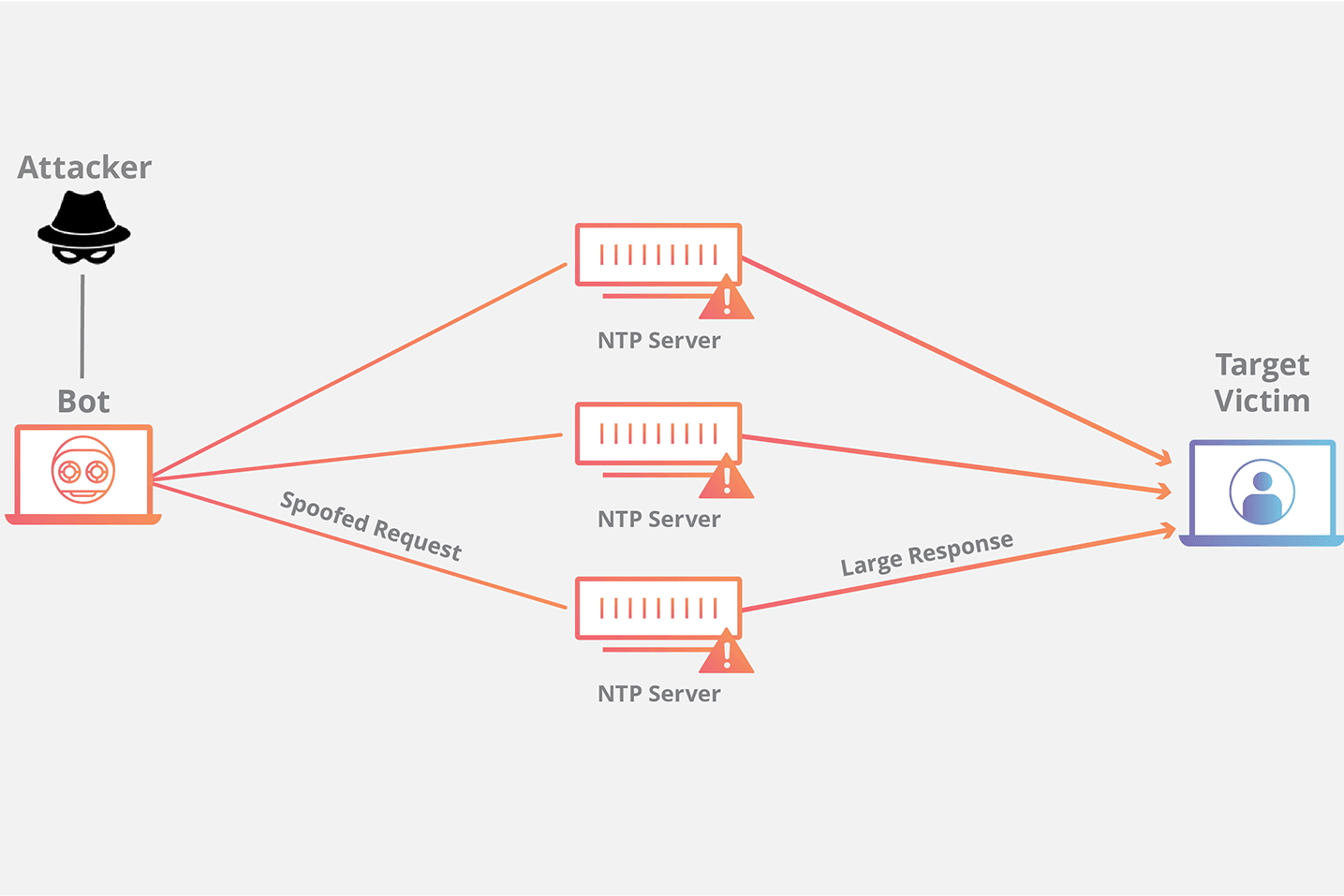
Historical record from 2014. This article describes the announcement or guidance at that time; it does not confirm today’s service arrangements, product support or security status. In late 2014, Google security researchers uncovered at least three serious vulnerabilities in the Network Time Protocol (NTP). Given the widespread use of NTP across tens of millions of systems, these flaws represent a significant security risk, including the potential for DDoS amplification and remote code execution.
Key Vulnerabilities Identified
1. Buffer Overflow (CVE-2014-9295)
- A stack-based buffer overflow in
ntpdallowed attackers to send crafted packets remotely. - Exploiting this flaw enabled execution of malicious code with the same privileges as the
ntpdprocess. - Affected all
ntpdreleases prior to version 4.2.8.
2. Weak Authentication Keys
- NTP was found to generate cryptographically weak keys.
- This weakness could undermine authentication and open the door to multiple attack vectors.
3. Missing Return on Error
- A coding error caused certain rare conditions to continue processing instead of halting.
- While not directly compromising integrity, it still created exploitable behavior.
- All NTP v4 releases before 4.2.8 were affected.
Why This Matters
- Scale of exposure: NTP is embedded in countless systems worldwide.
- Low skill barrier: Even attackers with limited expertise could exploit these flaws.
- Potential impact: Remote code execution, DDoS amplification, and system compromise.
Mitigation Steps
- Upgrade immediately to NTP version 4.2.8 or later.
- Implement ingress and egress filtering (as recommended in BCP38) to reduce DDoS risk.
- Audit systems to ensure no vulnerable daemons remain in production.
Conclusion
The NTP vulnerabilities highlight how even long-standing protocols can harbor critical flaws. By upgrading promptly and applying best practices like filtering and monitoring, organizations can protect themselves against both opportunistic and targeted attacks.