
Introduction
You’ve probably heard of phishing — the widespread attempt to trick thousands of users into giving up sensitive information. But have you heard of whaling? Unlike phishing, whaling targets a single high‑profile individual, such as a CEO or senior executive, whose access can unlock far greater rewards for attackers.
What Is Whaling?
- Phishing: Casts a wide net, hoping a percentage of victims will take the bait.
- Whaling: Focuses on one “big fish” with privileged access to valuable data.
- Method: The same social engineering tactics as phishing, but with highly personalized lures.
A Typical Whaling Scenario
Imagine a CEO whose hobbies and personal details are publicly available online.
- An attacker researches these details (e.g., golf, travel, or hobbies).
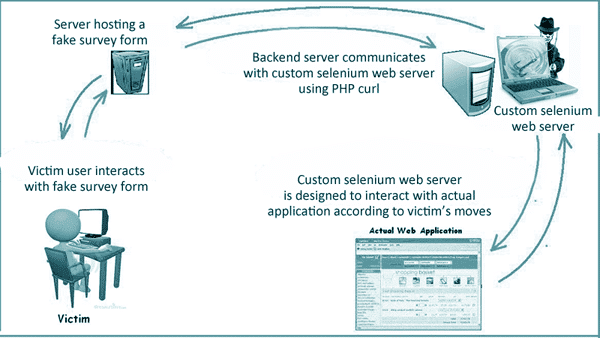
- They craft a convincing email tailored to the executive’s interests.
- The email contains a malicious link or attachment.
- Clicking it could lead to credential theft, malware installation, or even compromise of the company’s entire network.
Why Executives Are Prime Targets
- High‑level access: Executives often have broad system privileges.
- Public profiles: Their personal information is easier to find.
- Influence: A single compromised account can authorize payments, approve changes, or expose sensitive data.
How to Defend Against Whaling
- Awareness training: Educate executives about targeted social engineering.
- Regular audits: Ensure executive devices are free of malware.
- Email filtering: Deploy advanced filters to catch suspicious messages.
- Verification protocols: Require secondary checks for sensitive requests (e.g., financial transfers).
Conclusion
Whaling may sound unusual, but it’s one of the most dangerous forms of social engineering. By combining awareness, technical safeguards, and regular audits, organizations can reduce the risk of executives becoming the “big catch” for cybercriminals.