
Introduction
Intrusion Detection Systems (IDS) have been developed in response to countless attacks on high‑profile organizations — from Sony and eBay to NASA and the U.S. Defense Department. Today, IDS technology is a cornerstone of network security, helping organizations detect and respond to threats before they cause serious damage.
What Is an IDS?
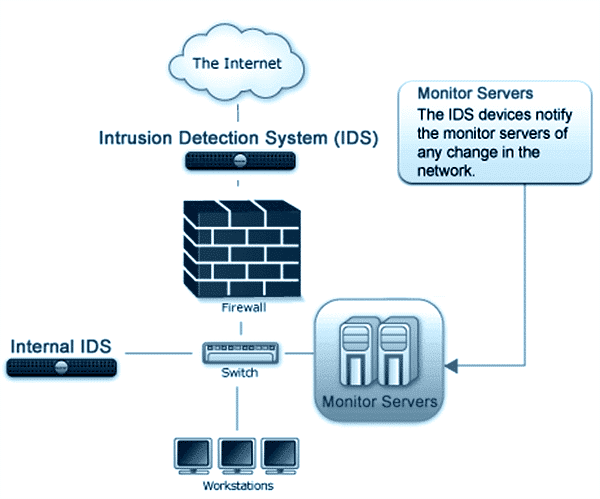
An IDS is a security management system for computers and networks. It can be hardware, software, or a combination of both, designed to:
- Monitor events across systems and networks
- Analyze traffic for signs of malicious activity
- Detect both external attacks and internal misuse
How IDS Works
IDS typically combines passive and active components:
- Passive monitoring: Inspects configuration files, password strength, and audit logs to detect weak points or policy violations.
- Active monitoring: Simulates known attack methods, records system responses, and analyzes captured data packets for suspicious behavior.
This two‑step process provides visibility into vulnerabilities and potential breaches.
Why IDS Matters
- Early detection: Identifies attacks before they escalate.
- Internal protection: Detects misuse or abuse from within the organization.
- Compliance support: Helps meet regulatory and audit requirements.
- Broad applicability: From small businesses to global enterprises, every networked system is a potential target.
Choosing the Right IDS
There is no one‑size‑fits‑all IDS. The right solution depends on:
- Network size and complexity
- Compliance requirements
- Available in‑house expertise
Because IDS deployment can be complex, consulting with IT security experts is often the best way to design a solution that fits your environment.
Conclusion
Every organization connected to a network is a potential target. By implementing an IDS, you gain visibility into threats, strengthen defenses, and reduce the risk of costly breaches.