
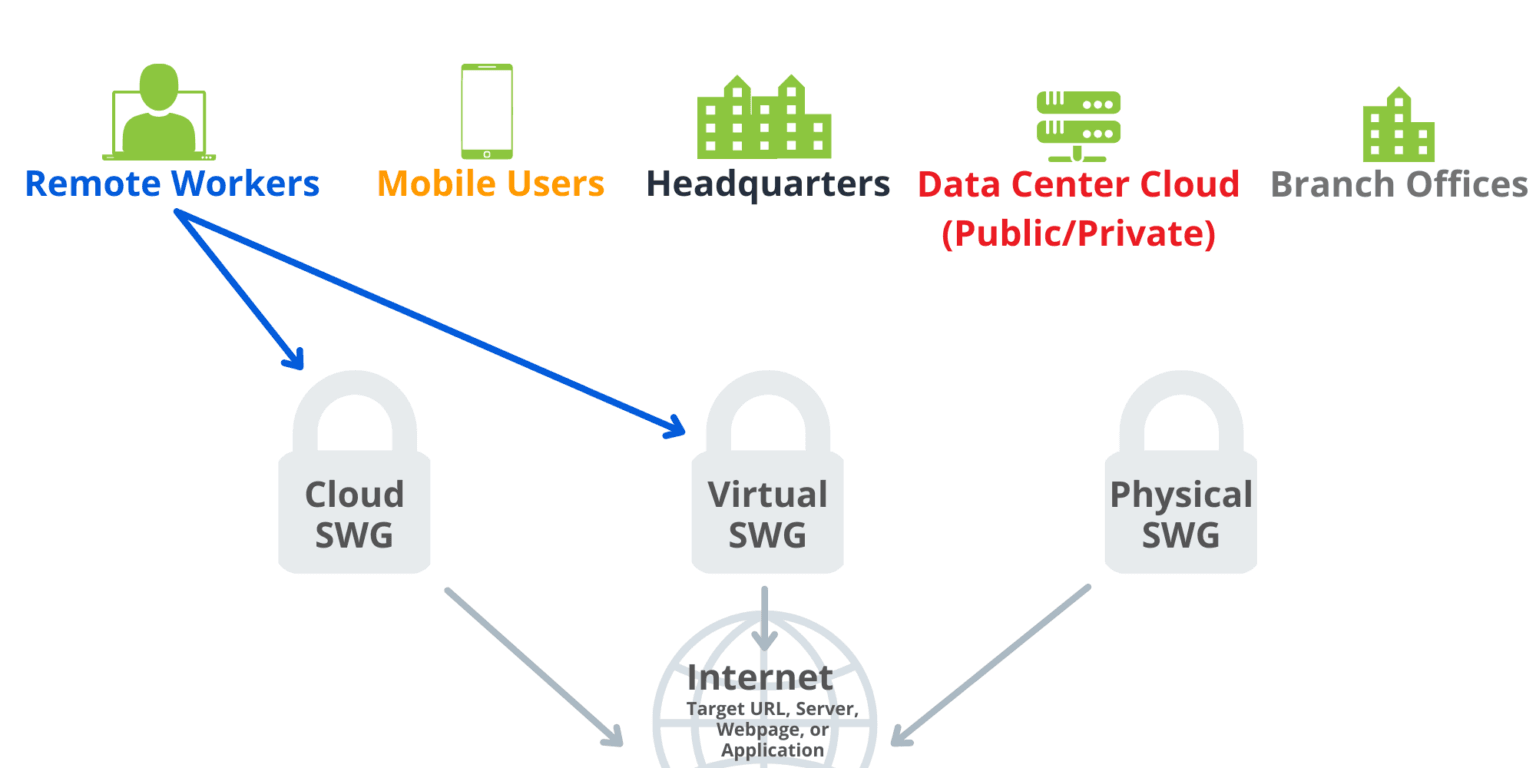
A Secure Web Gateway (SWG) was once little more than an application-layer firewall, enforcing simple rules to allow or block content. Early use cases focused on restricting employee access to personal email or non-business sites. But as the web evolved — and browsers revealed critical design weaknesses — threats became more sophisticated, and SWGs had to evolve rapidly.
The Early Browser Problem
Early browsers were:
- Operating in inherently insecure environments
- Prone to running untrusted code
- Capable of passing data without proper checks
These weaknesses opened the door for malicious actors, and despite incremental security improvements, threats quickly outpaced browser protections.
The Rise of SWG Appliances
As web technologies advanced, so did the threats. Enterprises relying on the internet for daily operations needed stronger defenses. This demand led to the development of commercial SWG appliances — purpose-built solutions designed to provide layered, real-time protection.
Key Features of Modern SWG Appliances
Today’s SWGs go far beyond URL filtering. They include:
- Data Loss Prevention (DLP) to stop sensitive data leaks
- Advanced URL filtering with reputation analysis
- Malware detection using behavioral analysis and real-time scanning
- Content and code control for dynamic web elements
- Granular administrator controls over web, email, and data traffic
- Bandwidth management to optimize performance
- Policy-based access (e.g., by time of day or activity level)
Choosing the Right SWG Solution
Not all SWG appliances are created equal. Vendors differ in features, analytics, and integration options. Enterprises should carefully review specifications to ensure the solution meets their operational and compliance needs.
Conclusion
From simple rule-based firewalls to advanced, analytics-driven appliances, SWGs have become essential for modern businesses. By combining malware detection, DLP, and granular controls, they provide the protection organizations need to operate securely in an increasingly hostile web environment.