
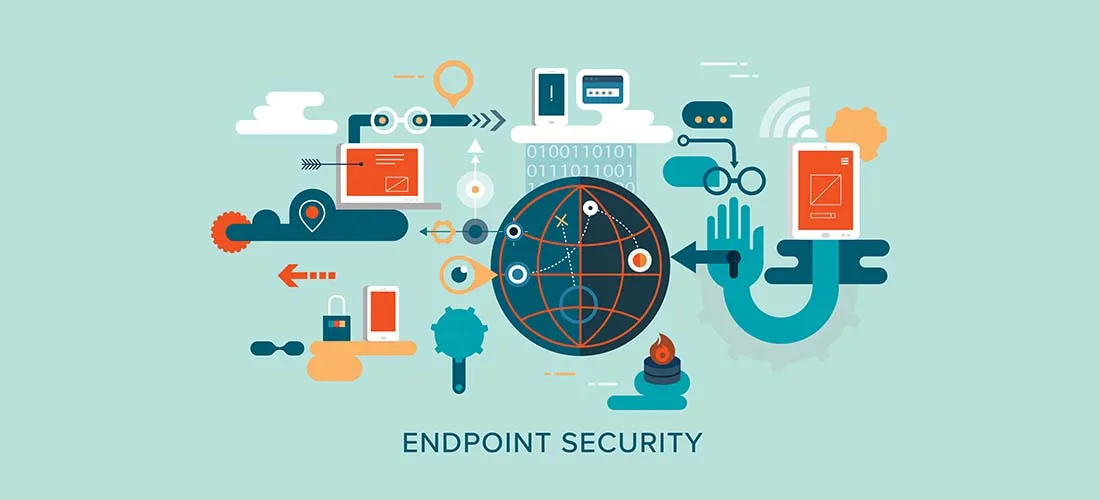
Introduction Endpoint security management has become a critical concern in recent years. Rising incidents of hacktivism, advanced persistent threats (APTs), and malware — combined with the proliferation of personal devices in the workplace — have made traditional approaches inadequate.
What Do We Mean by “Endpoint”?
An endpoint is any device connected to a TCP/IP network, especially the internet. This includes:
- Laptops and desktops
- Smartphones and tablets
- POS terminals
- Network printers
In short: if it connects, it’s an endpoint — and a potential risk.
Why Traditional Security Falls Short
Microsoft defines endpoint security as “the security of physical devices which may literally fall into the hands of malicious users.” Traditional perimeter defenses are no longer enough. Organizations must plan for device loss, unauthorized access, and sophisticated attacks that bypass old models.
Key Recommendations for Stronger Endpoint Security
1. Incident Response Planning
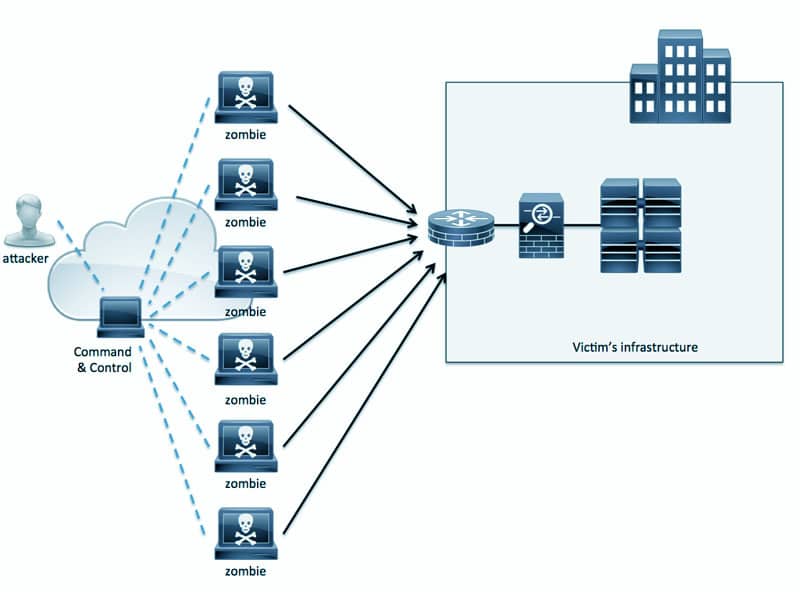
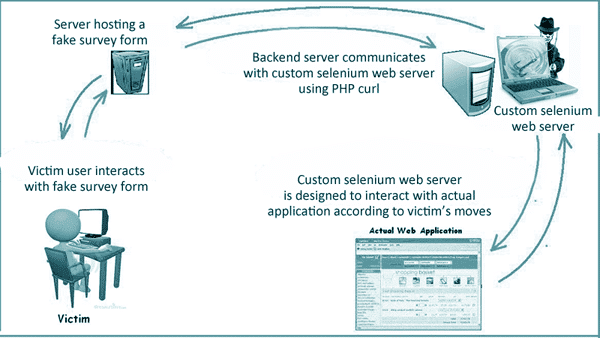
- Define clear procedures for social engineering, DDoS, lost/stolen devices, unauthorized access, and malware outbreaks.
- Identify responsible contacts and keep details accessible.
2. Infrastructure Awareness
- Secure routers, firewalls, and supporting systems.
- Ensure IT operations and security teams collaborate closely.
3. BYOD (Bring Your Own Device) Policies
- Establish acceptable use guidelines.
- Control installation of third-party apps.
- Enforce privilege management and change control.
4. Cloud Data Access
- Define policies for handling sensitive or confidential information stored in the cloud.
5. Technology Choices
- Select integrated endpoint security suites with vulnerability assessment, device control, and anti-malware capabilities.
- Regularly review emerging technologies and match them to your environment.
The Risks of Weak Endpoint Security
Ignoring these measures can lead to:
- Financial losses from breaches and downtime
- Legal and compliance issues
- Loss of customer trust and reputation
The Ponemon Institute found that 80% of organizations admit laptops and mobile devices pose significant risks because they are not adequately secured.
Conclusion
Endpoint security management is not about perfection — it’s about preparation. By implementing clear policies, modern tools, and proactive response plans, organizations can significantly reduce risk and protect both their data and their reputation.