
An IT incident checklist for the first hour establishes a responsible owner, the business impact and a trusted route for technical help. Avoid improvised changes that destroy evidence or make recovery harder.
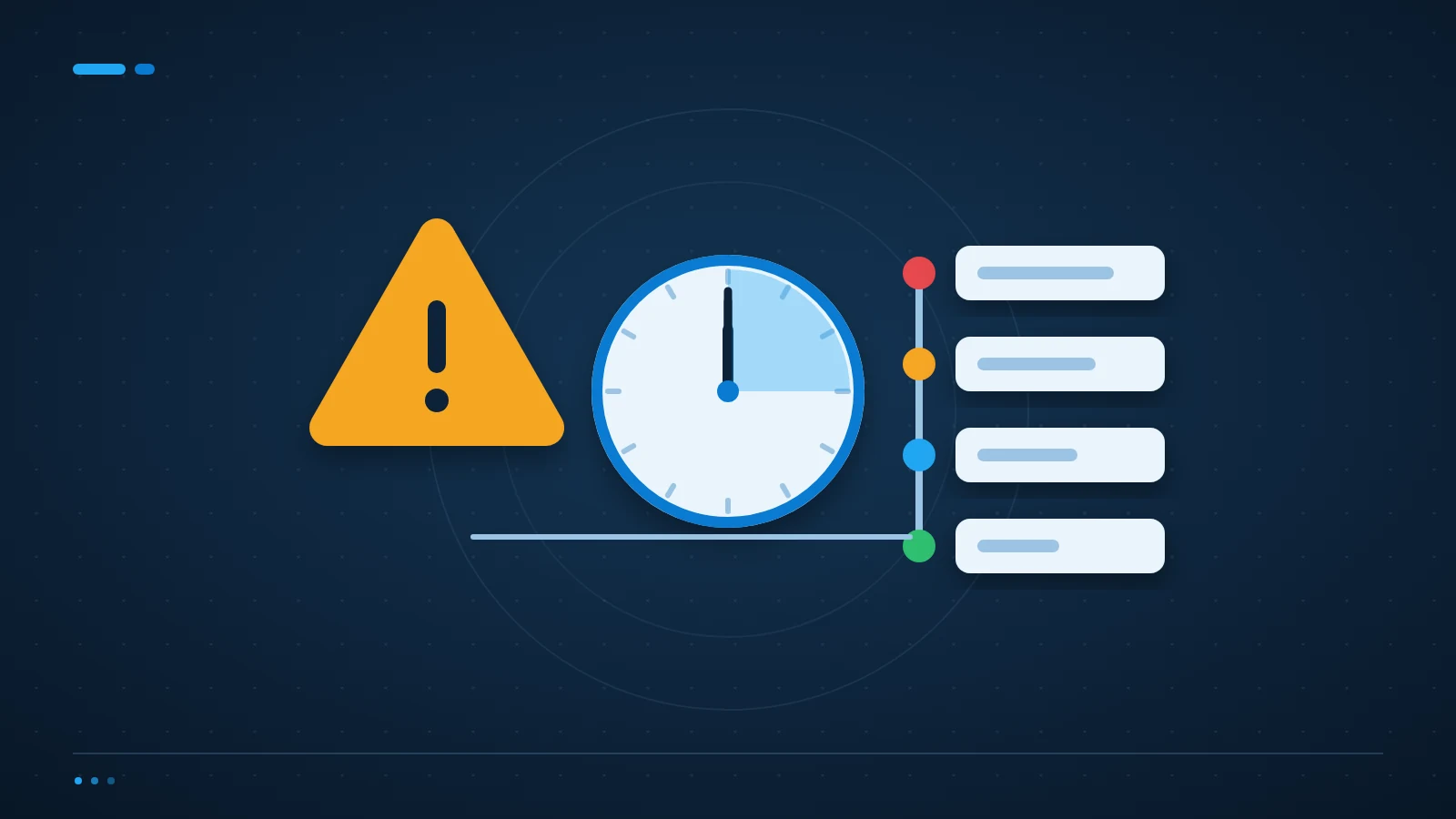
First-hour priorities, without improvised fixes
- Name a coordinator and open one incident record.
- Record observed facts, affected work and the time zone.
- Use a trusted support route independent of the affected system.
- Separate authorised containment, recovery decisions and staff updates.
Get the right people working from one incident record
Name a coordinator and record when the issue began, who is affected and which services are unavailable. Keep confirmed facts separate from suspicions. ‘Several users cannot open files’ is evidence; ‘we have ransomware’ is a diagnosis that needs investigation.
Use a contact method that is not dependent on the affected system. Keep approved support and management contacts available offline or in a protected alternative location. Verify unexpected callers claiming to be support staff.
Contain risk with authorised guidance
If compromise is suspected, contact your security or support team through the agreed route. Follow their containment instructions. Whether to isolate a device, disconnect a service or shut something down depends on the incident and its operational consequences.
Do not delete suspicious files, repeatedly reboot systems or run unverified cleanup tools while waiting. Those actions can remove evidence. Preserve error messages and timestamps, but do not spread potentially malicious attachments through ordinary chat or email.
One incident record, two working tracks
These tracks can run in parallel. They are responsibilities, not a promise that recovery finishes within an hour.
Technical response
- Assess scope and preserve evidence.
- Follow authorised containment instructions.
- Confirm recovery prerequisites before restoring data.
Business coordination
- Identify the most urgent blocked process.
- Agree safe temporary working arrangements.
- Set the next update time and involve privacy advisers where needed.
Plan recovery and communication separately
Recovery may involve restoring data, rebuilding systems or using a temporary process. Before choosing one, confirm the state of the backup and whether the original cause is contained. Restoring into a still-compromised environment can repeat the problem.
Assign someone to update staff and affected business contacts. Give a next update time rather than an unsupported promise of completion. The technical team should be able to investigate without answering the same question in five different channels.
Does every incident need a GDPR notification?
No. Assess whether personal data was affected and follow your data-breach procedure. GDPR has specific notification duties and time limits where the relevant conditions apply. Involve the responsible privacy adviser; do not assume a technical outage automatically is, or is not, a reportable breach. The Dutch Data Protection Authority (Autoriteit Persoonsgegevens) explains when and how to report a data breach.
What belongs in an IT incident checklist before anything happens?
Keep named contacts, escalation criteria, recovery priorities and a short communication plan. Test whether those documents are accessible when normal accounts or internet access fail. Review the process after an exercise or real incident.
Get help through an agreed route
ICT Shift’s Cybersecurity & Business Continuity connects incident preparation and recovery. Our urgent IT support information explains the available support route.
Talk to an engineer about an incident plan before an interruption forces the team to invent one under pressure.