

Introduction
Cisco Systems, a global leader in networking equipment, faced growing challenges in managing its diverse IT infrastructure. Multiple directory systems, separate administrators, and rising compliance demands created inefficiencies and high costs. To address these issues, Cisco migrated to Microsoft Active Directory (AD).
What Is Active Directory?
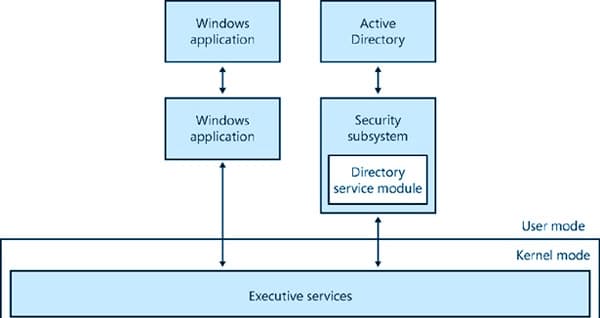
Active Directory (AD) is Microsoft’s directory service for Windows domain networks. It is:
- Hierarchical: Organizes objects (users, groups, computers, printers) into domains with parent‑child relationships.
- Replicated: Synchronizes changes across domain controllers to ensure consistency.
- Extensible: Uses the Extensible Storage Engine (ESE) with transactional processing to maintain data integrity.
AD provides authentication and authorization services, ensuring users can securely access resources.
Cisco’s Background
Cisco pioneered multi‑protocol routers and rose to prominence with the adoption of IP during the internet boom of the early 2000s. As the company expanded globally, its IT environment became increasingly complex, with separate network operating systems and LDAP directories for different platforms and applications.
Why Cisco Migrated to Active Directory
Cisco’s legacy approach created several challenges:
- Multiple accounts and passwords for users across different systems
- High administrative overhead with separate trained admins for each platform
- Custom code requirements for developers to integrate with various directories
- Compliance difficulties due to fragmented systems
The solution was to consolidate identity management under a single, scalable platform — Microsoft Active Directory.
The Migration Process
- Cisco deployed AD across 12 worldwide WAN locations.
- Employees now authenticate locally through the nearest site, regardless of location.
- The migration streamlined account management, reduced IT costs, and improved compliance.
Conclusion
Cisco’s migration to Active Directory demonstrates how large enterprises can simplify IT operations, reduce costs, and strengthen compliance by consolidating identity management. AD provided Cisco with a unified, scalable solution that continues to support its global workforce.